
ByJohn A
How Bitcoin Mining Works
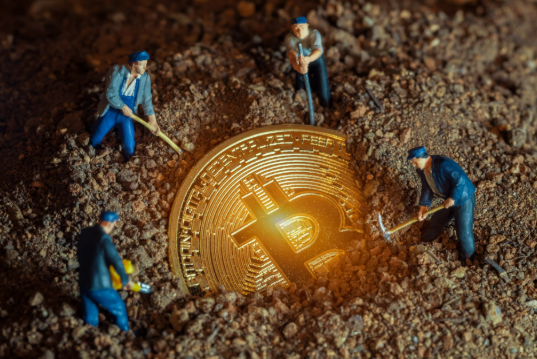
Bitcoin mining uses specialized hardware to perform trillions of hash attempts per second in pursuit of a valid block. Miners compete to solve a deterministic puzzle, broadcasting solutions for network verification. The longest valid chain is the accepted ledger, while rewards come from block subsidies and transaction fees. Costs—electricity, depreciation, and capital expenditures—drive profitability and investment decisions. The balance between energy use, hardware efficiency, and market rewards raises questions about long-term viability and system resilience.
Is Bitcoin Mining Worth It? Foundational Overview
Bitcoin mining presents a cost-versus-revenue calculation grounded in energy prices, hardware efficiency, and network difficulty; miners must assess whether anticipated block rewards and transaction fees offset electricity, depreciation, and capex.
In this foundational view, Bitcoin economics guides investment thresholds, while energy efficiency shapes competitive viability, risk, and scalability.
Market signals include hash-rate trends, electricity pricing, and device depreciation, informing practical freedom-oriented, data-driven decisions.
See also: readlegit
How Mining Works: Solving Puzzles and Adding Blocks
Mining operates by transforming energy and hardware inputs into validated transaction data, using a deterministic puzzle to confirm blocks and secure the network.
The process emphasizes puzzle solving efficiency and hash-rate dynamics, where miners compete to extend the longest valid chain.
Timely block propagation and low-latency dissemination influence confirmation speed, network resilience, and market-implied security assumptions for participants seeking freedom and certitude.
Rewards, Costs, and Profitability Drivers
The block reward provides baseline income, while transaction fees add upside in volatile periods.
Energy efficiency lowers per‑hash costs, improving mining profitability.
Hardware depreciation shapes capex write‑offs and long‑term return, guiding equipment refresh and total cost of production decisions.
Real-World Challenges and the Future of Mining
Real-world mining faces a convergence of operational, regulatory, and market pressures that collectively shape its trajectory: energy prices, hardware costs, and network difficulty drive variable margins, while grid capacity, carbon policies, and regional incentives influence site selection and project viability.
Data indicate energy costs fluctuate seasonally, while environmental impact metrics guide policy, financing, and investor risk assessments, informing sustainable, scalable growth strategies.
Conclusion
Bitcoin mining profitability hinges on energy costs, hardware efficiency, and network difficulty. A data-driven look shows revenue per TH/s tracks with BTC price and block rewards, while costs—electricity, depreciation, capex—flow from hardware cycles and deployment scale. The truth behind the theory that “more hash rate guarantees higher profits” is nuanced: gains dilute as difficulty rises and competition compresses margins. In the near term, profitability rests on access to cheap power, efficient rigs, and disciplined die-hard capex management. Market conditions ultimately arbitrate outcomes.